How to Finance an ADU in California: HELOC, Cash-Out, or Renovation Loan?
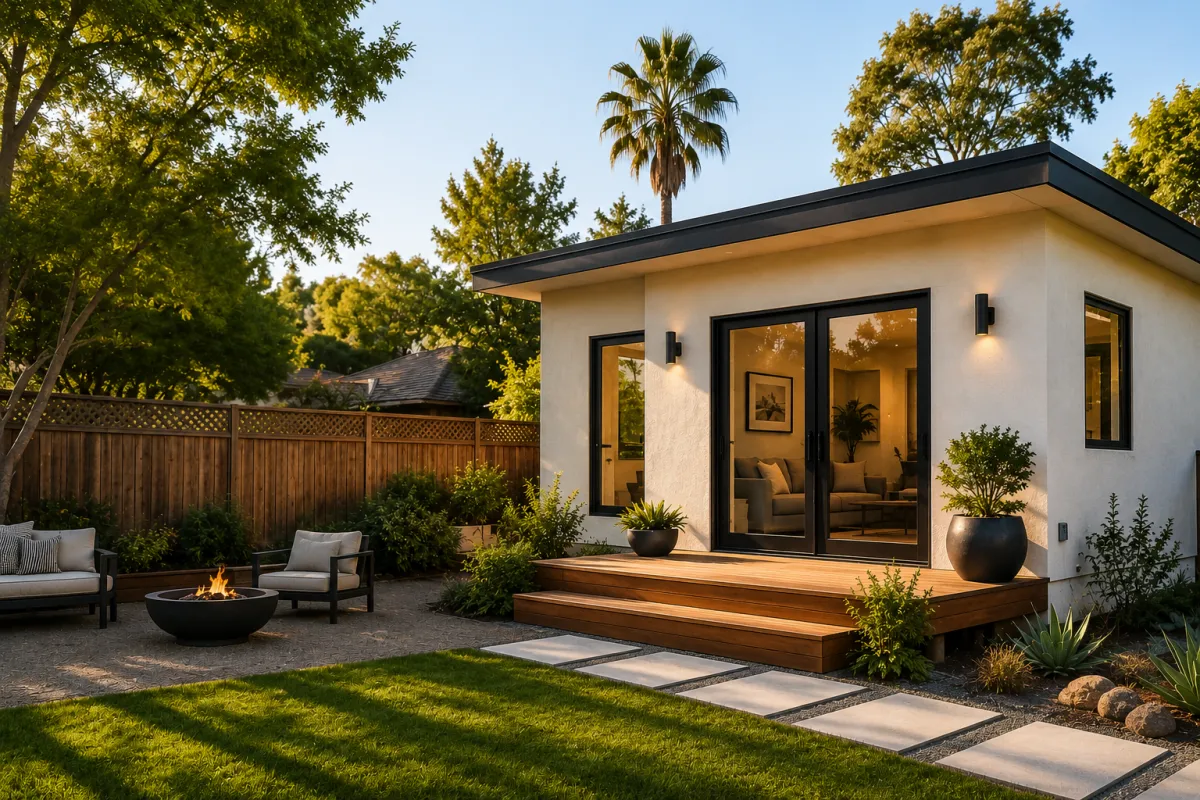
California's housing market is undergoing a quiet revolution, and it’s happening right in our own backyards. Across the Golden State, from the tree-lined streets of Sacramento to the sun-drenched neighborhoods of San Diego, homeowners are realizing that the key to unlocking new income, housing multi-generational family members, or boosting their property value lies in building an Accessory Dwelling Unit (ADU). But while the dream of a backyard cottage or garage conversion is highly appealing, the execution requires a solid financial strategy. How exactly do you pay for a construction project that can cost anywhere from $100,000 to over $300,000?
If you are trying to navigate the complex world of ADU financing California offers, you are likely looking for the most cost-effective path forward. Should you tap into your home's equity, restructure your primary mortgage, or explore specialized construction loans? More importantly, if you are one of the millions of Californians who locked in a historic 2.5% to 4.0% interest rate a few years ago, how do you finance this build without losing that low rate?
In this comprehensive guide, we will break down the three primary methods for financing an accessory dwelling unit in California—HELOCs, cash-out refinancing, and renovation loans. We'll show you how to compare these options based on your current mortgage rate and outline the actionable steps you need to take to start building.
The Rise of the California ADU
Thanks to a series of progressive state laws passed over the last few years, California has made it easier than ever to build ADUs. Local zoning barriers have been lowered, setback requirements minimized, and permit approvals streamlined. Homeowners are capitalizing on these changes for three primary reasons:
Rental Income Generation: In high-cost housing markets, renting out an ADU can generate significant monthly cash flow, often more than covering the cost of the financing.
Multi-Generational Living: Providing a private, independent space for aging parents or young adult children is a compassionate and cost-effective alternative to assisted living or sky-high apartment rentals.
Home Value Extension: An ADU adds usable square footage and premium appeal, which can substantially increase your home’s resale value down the line.
However, unless you have six figures in cash sitting in a bank account, you need to find a smart way to fund the construction. Let’s evaluate the three primary options.
Three Main Paths to ADU Financing California
When it comes to securing capital for your backyard project, most California homeowners rely on one of three financing avenues:
1. Second-Lien Home Equity Line of Credit (HELOC)
A HELOC for ADU construction is one of the most popular and flexible financing tools available today. A HELOC functions similarly to a credit card secured by your home. You are approved for a maximum credit line based on your home's equity, and you can draw funds as needed during a set "draw period" (typically 10 years). You only make payments and pay interest on the money you actually draw out.
The biggest advantage of a HELOC in today's high-rate environment is that it acts as a second lien. This means you do not have to touch your primary mortgage. If you have a primary rate of 3.0%, you get to keep it. The HELOC sits behind it, allowing you to access only the cash you need for construction milestones while keeping your first mortgage interest costs low.
Before applying, it is vital to understand the qualifications. You can review the detailed HELOC California requirements for 2026 to ensure your debt-to-income (DTI) ratios, credit score, and combined loan-to-value (CLTV) ratios align with lender criteria.
2. Cash-Out Refinance
A cash-out refinance ADU strategy involves replacing your current first mortgage with a completely new, larger first mortgage. You pay off your old loan, and the difference is paid out to you in a lump sum of cash at closing, which you then use to fund your ADU construction.
When it makes sense: This strategy is ideal if interest rates have fallen below your current primary rate, or if you do not have a low rate to protect and want the stability of a single, fixed monthly payment.
The downside: If your current mortgage rate is significantly lower than current market rates, executing a cash-out refinance will force you to give up that low rate on your entire existing mortgage balance. This "interest rate penalty" can add hundreds of dollars to your monthly payment and cost you tens of thousands over the life of the loan.
3. Renovation Loans
If you bought your home recently and do not have enough built-up equity to fund an ADU, a renovation loan California program might be the answer. Options like the Fannie Mae Homestyle Renovation loan or FHA 203(k) loan allow you to borrow based on the future, completed value of the home rather than its current value.
How it works: An appraiser reviews your ADU architectural plans and estimates what the property will be worth once the unit is fully built. The lender then approves a loan based on that higher, future valuation.
The downside: Renovation loans have strict oversight. The lender controls the disbursement of funds through a series of construction draws paid directly to licensed contractors. The fees are typically higher, and the underwriting process is longer and more complex than a standard equity line.
HELOC vs. Cash-Out vs. Renovation Loan: The Interest Rate Equation
To decide which financing option fits your needs, you must run the numbers on your current mortgage rate.
For most California homeowners, a home equity loan for ADU California or a second-lien HELOC is the clear winner when they already hold a primary interest rate under 5%. By choosing a HELOC, you isolate the higher current interest rates only to the money you borrow for construction, while keeping the majority of your debt at your legacy low rate.
Actionable Steps to Secure Your ADU Financing
Navigating the logistics of building a backyard home requires a systematic approach. Follow these steps to prepare your finances and secure approval:
Draft Your ADU Plans & Get Estimates: Work with an architect or builder to get a detailed line-item cost estimate. You cannot accurately select a financing program until you know your target budget.
Evaluate Your Home Equity: Check your current home value against your primary mortgage balance. If your loan balance is $400,000 and your home is worth $750,000, you have $350,000 in equity. Most lenders allow you to borrow up to 80% or 85% combined loan-to-value (CLTV).
Run the Rate Comparison: Calculate the blended interest rate of keeping your first mortgage and adding a HELOC, versus replacing the entire balance with a cash-out refinance.
Organize Income Documents: Gather 30 days of paystubs, 2 years of tax returns (crucial if you are self-employed), and recent bank statements.
Get Pre-Approved with an Expert Broker: Instead of applying at a single traditional bank that only offers rigid, high-retail rates, shop across multiple wholesale options to find the lowest cost.
FAQ: Financing an Accessory Dwelling Unit in California
Can I use the projected rental income from the ADU to qualify for the loan?
Yes, some forward-looking renovation programs and portfolio lenders allow you to write projected rental income from the future ADU into your debt-to-income (DTI) calculations. However, this typically requires a certified market rent study from an appraiser.
What is the maximum Combined Loan-to-Value (CLTV) for an ADU HELOC in California?
Most traditional lenders cap CLTV at 80%. However, specialized wholesale mortgage brokers can access programs allowing up to 85% or even 90% CLTV for borrowers with strong credit (740+) and low debt profiles.
Are there tax benefits to using a HELOC or Home Equity Loan for an ADU?
Under current IRS guidelines, interest paid on home equity debt is tax-deductible if the funds are used to buy, build, or substantially improve the taxpayer’s home that secures the loan. Building an ADU fits this requirement perfectly, but you should always consult a licensed CPA to confirm your eligibility.
How long does it take to close an ADU financing loan?
A HELOC is typically the fastest option, taking anywhere from 2 to 4 weeks to close. A cash-out refinance generally takes 3 to 5 weeks, while specialized renovation loans can take 45 to 60+ days due to construction plan reviews and contractor vetting.
Secure Your California ADU Financing Strategy Today
Building an Accessory Dwelling Unit is a powerful way to maximize your property's utility and secure long-term financial freedom. Choosing the right ADU financing California program is the single most important decision in your build journey.
At Mortgage by Q, we shop wholesale rates across more than 150 lenders to find the lowest fees and most flexible underwriting guidelines for your project. Whether you want to leverage a second-lien HELOC to protect your 3% mortgage rate or structure a construction-focused renovation loan, we will help you make the smart move.
Ready to start building? Contact Mortgage by Q today to run a custom CLTV assessment and review the best home equity solutions available for your property.